
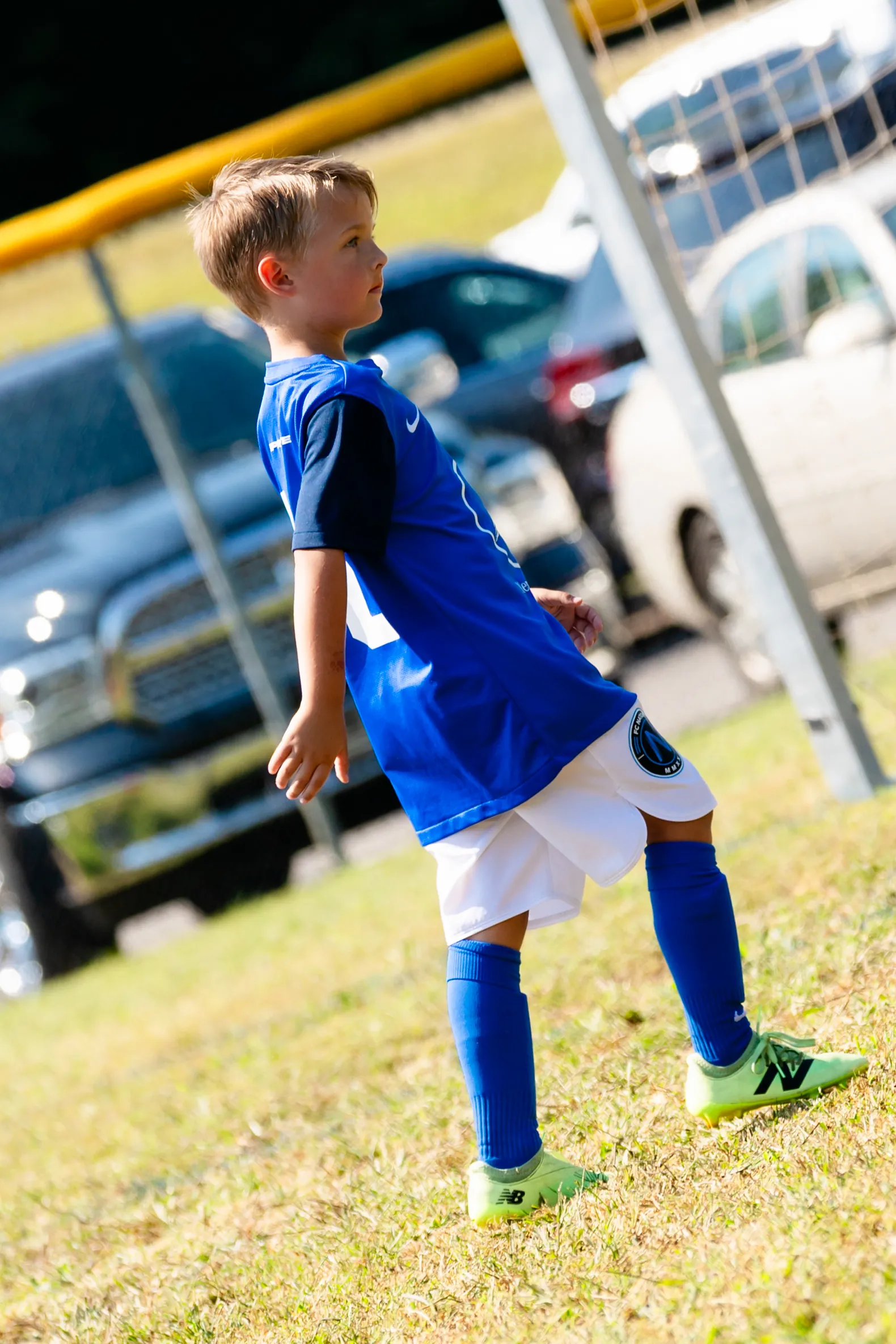
A youth soccer tryout can feel mysterious when a family has not been through one before. You may see a field full of players, a few coaches with clipboards and a fast-moving set of drills, then wonder what any of it means for your child. The helpful way to view a tryout is as a chance for the club to learn about the player and for the family to learn about the environment.
It is not a final judgment on a young player's potential. A thoughtful tryout looks for the habits a player brings into a new group: how they listen, compete, connect with teammates and respond when a moment does not go their way. This guide explains what often happens before, during and after youth soccer tryouts, plus the questions that help families make a sound decision.
WHAT A SOCCER TRYOUT IS MEANT TO DO
At its best, a tryout helps a club understand where a player may fit at this point in their development. Coaches are looking at more than a single goal, a fast sprint or one great move. They want to see how the player takes in information, handles the ball in a crowd, moves without it and works when the play turns against them.
That wider view matters because soccer is a team game. A player can make a useful impression by receiving under pressure, offering a simple passing angle, recovering after a turnover or helping a teammate with a clear call. U.S. Soccer's Talent Identification program also describes player observation as more than an isolated moment, which is a useful perspective for families who feel pressure around one session.
Every club runs its own process. One may use technical activities followed by small-sided games. Another may start with a warmup, add position-specific work and finish with a larger game. Some clubs invite players to more than one session. The invitation details from the club are always the source of truth for timing, age groups, registration and what to bring.
BEFORE THE TRYOUT: MAKE THE DAY FEEL FAMILIAR
The most useful preparation is usually ordinary preparation. Confirm the field location, check the start time, pack gear the night before and leave enough room for traffic or parking. A rushed arrival can make a player feel behind before the first ball is touched.
Bring the equipment the club requests, along with familiar boots, shin guards, water and an extra layer if the weather may change. Avoid testing new boots, a new pre-workout drink or an unfamiliar routine on tryout day. The goal is not to create a perfect performance. It is to make the practical details quiet enough that the player can focus.
For food and hydration, keep it simple. A normal meal or snack that the player already tolerates well, a water bottle and enough rest are more useful than a complicated routine. The American Academy of Pediatrics recommends that young athletes focus on basics such as food, fluids, training and rest rather than performance shortcuts. Its guidance on heat illness during exercise is also worth reviewing when a tryout will be held in hot conditions.
Families who want a more detailed preparation plan can use FC National's soccer tryout tips guide. It covers the week before, tryout-day basics and the small habits that help a player settle into the session.
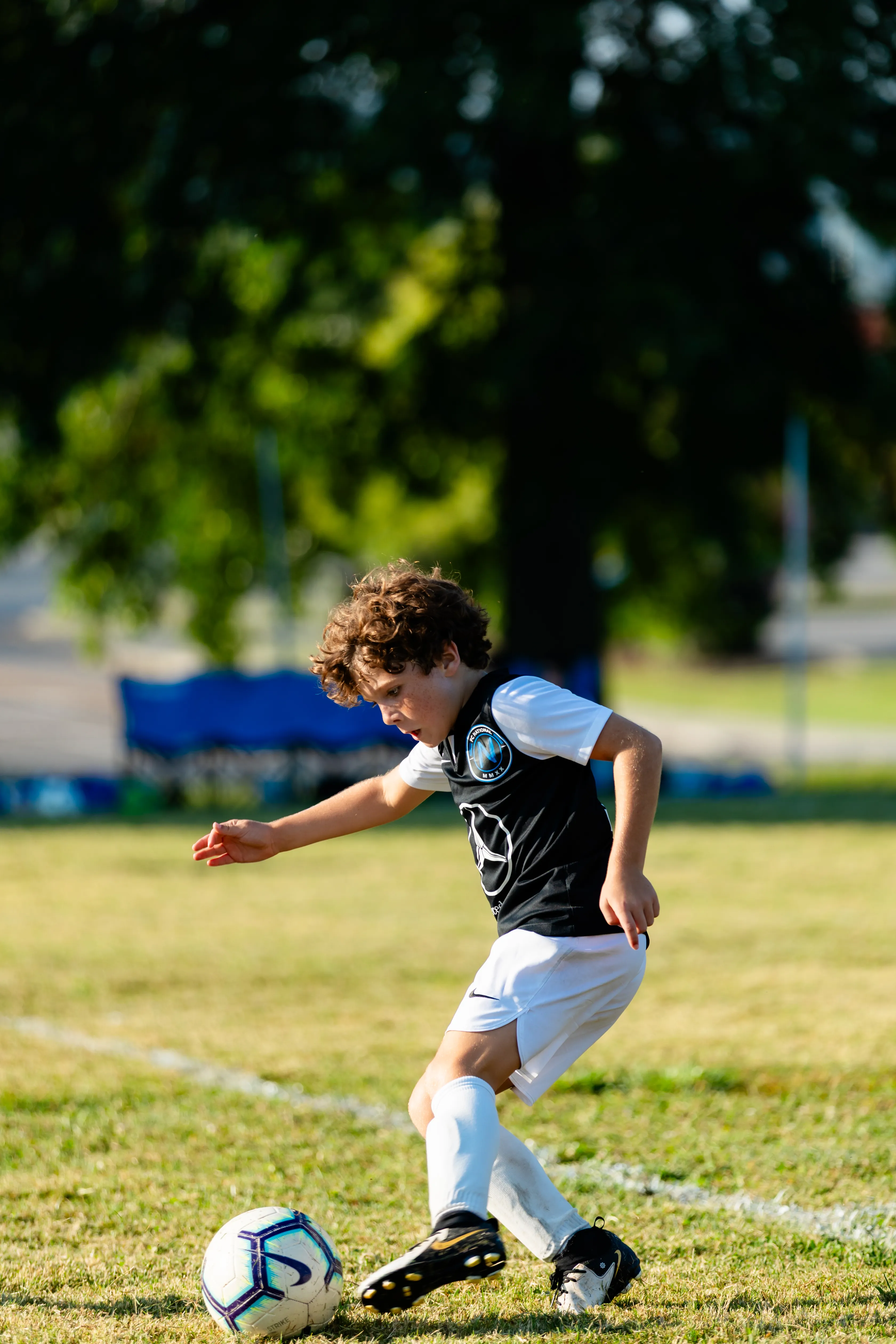
WHAT HAPPENS WHEN PLAYERS ARRIVE
Most tryouts begin with check-in. The club may confirm registration, direct players to a field or ask families to wait in a designated area. Unless the club gives a different instruction, arriving 20 to 30 minutes early gives the player time to use the restroom, settle their gear and get a few relaxed touches before the group begins.
Once the coaches gather everyone, they will usually explain the session and set expectations. The player does not need to make an impression before the activity starts. Listening, finding the right group and following the first instruction quickly are already useful signs of readiness.
For parents, the job is mostly practical at this stage. Make sure the player has what they need, then give them room to join the group. A short reminder such as, “Compete, communicate and enjoy it,” is easier to use than a long list of tactical instructions. Let the coach do the coaching.
WHAT COACHES MAY WATCH DURING DRILLS
Early activities often give coaches a quick look at comfort on the ball. That may include passing, receiving, turning, dribbling or finishing. Players are not expected to execute every repetition perfectly. Coaches can learn a great deal from the way a player scans, adjusts their body shape and tries to apply a new instruction.
As the session moves into small-sided games, the picture becomes clearer. Smaller games create more touches and more decisions. Coaches can see whether a player supports the ball, recognizes pressure, moves again after passing and reacts when possession changes. In bigger games, they can watch spacing, positioning, communication and the willingness to do unglamorous team work.
It helps young players to remember that simple actions count. A well-weighted pass, a clear call of “time,” an early recovery run or a calm first touch often tells a coach more than forcing a difficult move that is not on. FC National's player development approach is built around the same connected parts of the game: technical ability, awareness, movement and mindset.
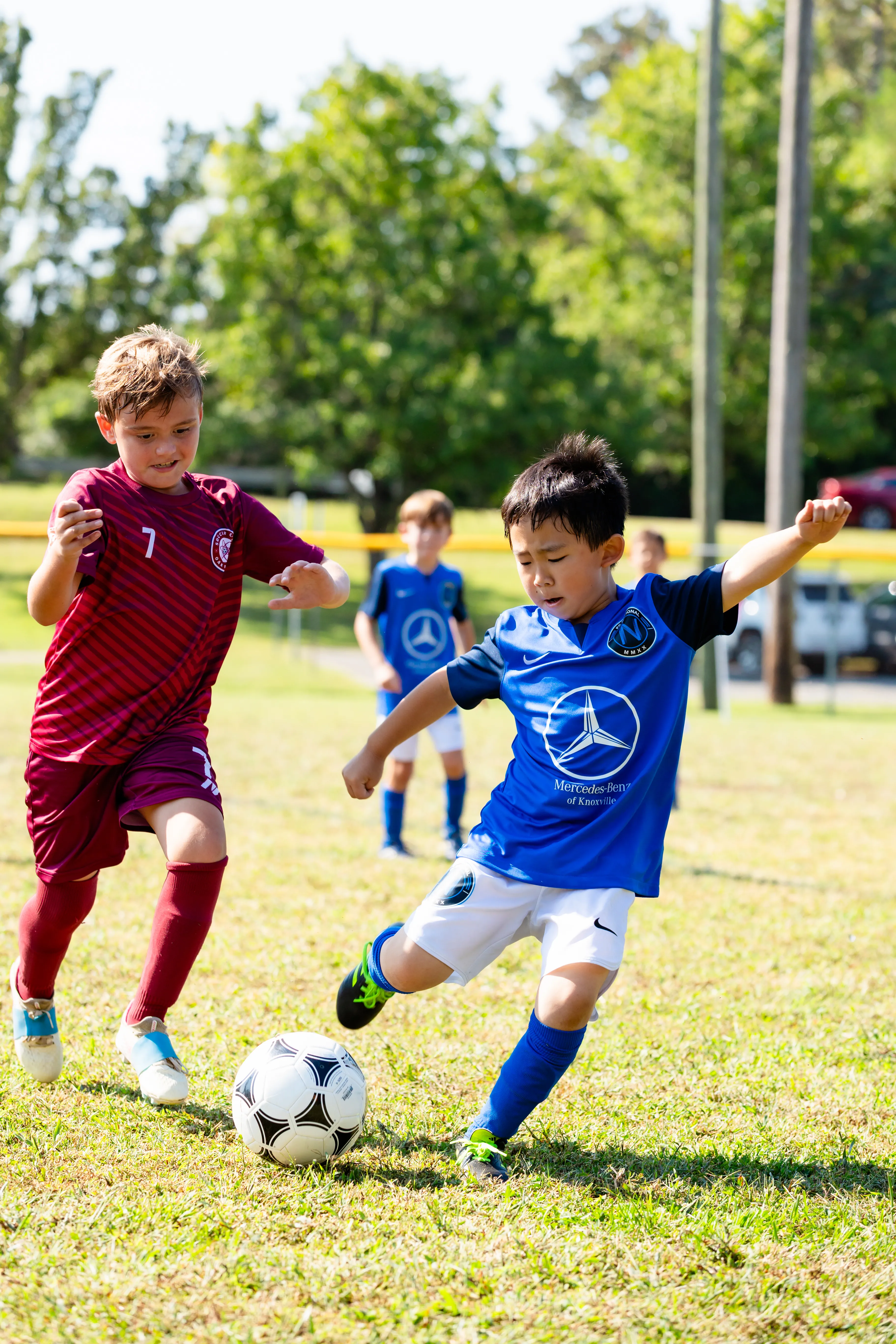
WHY COACHABILITY MATTERS
Tryouts put players in an unfamiliar group, sometimes in an unfamiliar position. A coach may move a player from the wing to outside back, pair them with new teammates or give a correction after one repetition. That is useful information, not a trap.
A coachable player listens, gives the new task an honest effort and makes a quick adjustment when possible. They do not need to know every role already. A player who says “got it,” tries again and stays involved shows that they can learn inside a team environment.
Body language is part of this, too. Everyone makes mistakes. A pass may go out, a touch may get away or a player may lose a duel. The productive response is to recover into the next action. Compete to win the ball back, offer for the next pass or encourage a teammate. That response is more revealing than an apology or a frustrated gesture.
Families can support this mindset by keeping the result in proportion. A tryout is an opportunity to show current habits and learn what may be next. It does not define whether a child is “good enough” for the game.
HOW TEAMS AND DECISIONS MAY BE MADE
After a tryout, coaches may compare notes, look at positional needs, consider the player's age group and decide whether another session would help. The process can take time because coaches are trying to build groups that can train and compete well together. A club may have a clear next step right away, or it may need to follow up after reviewing the session.
A family can ask how and when decisions will be shared, whether there may be another evaluation and who to contact with practical questions. Those are reasonable questions. The answers should help you understand the current opportunity without making promises the club cannot honestly make yet.
Placement is not only about finding a roster space. The right fit should give the player a real challenge, clear coaching and a group where they can keep learning. FC National's teams page and coaching page can help families understand the people and development context behind that conversation.
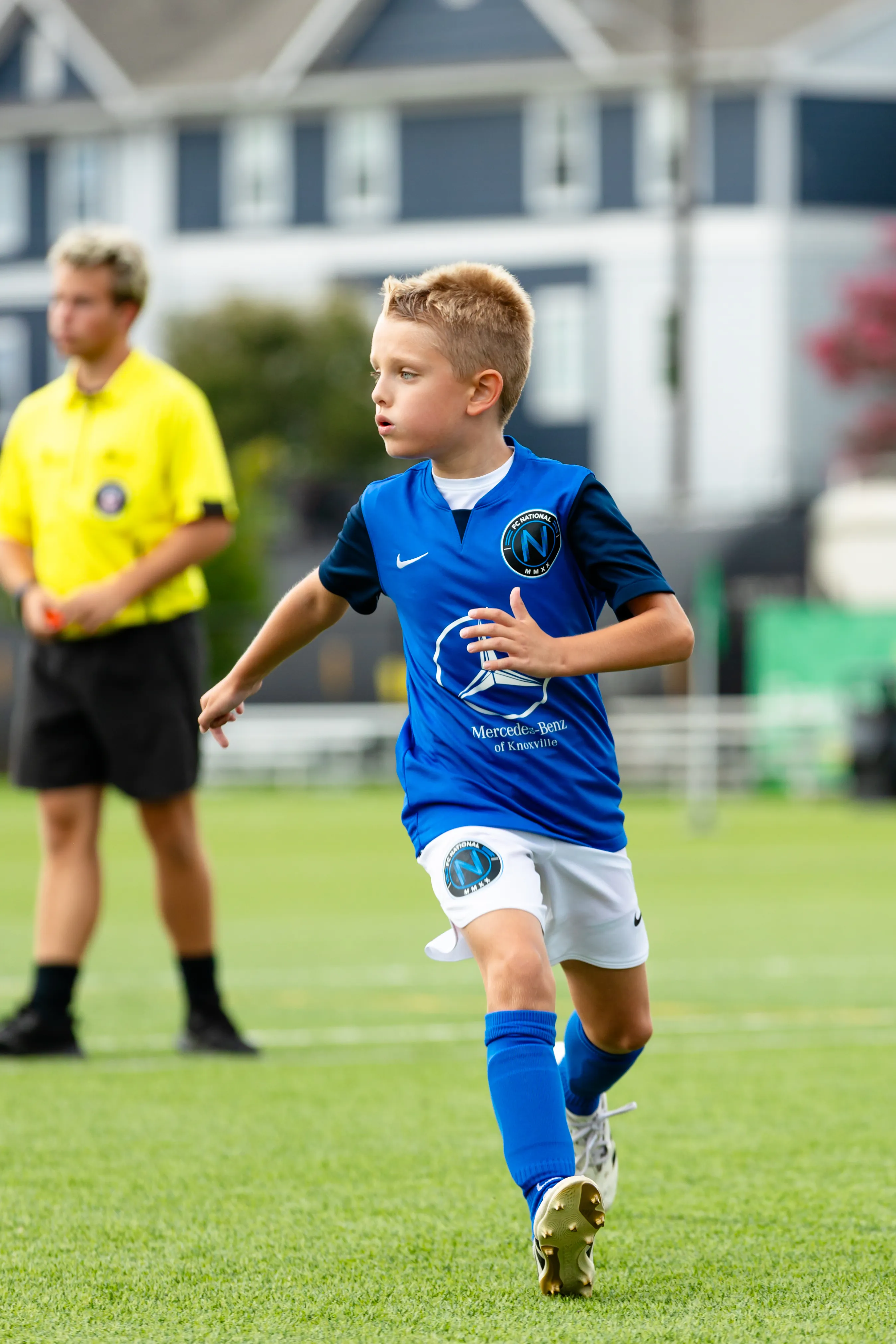
HOW TO USE FEEDBACK WELL
Not every club can offer detailed feedback after every tryout, particularly when there are many players in one age group. When feedback is available, ask for one or two specific areas a player can keep working on. A useful answer might be about first touch, speed of play, defending, confidence in a role or the ability to stay involved when the game changes.
Keep the next step small and practical. A player who needs a cleaner first touch can spend a few minutes each day receiving and turning with both feet. A player who needs more confidence in game situations may benefit from small-sided play, where they get more touches and decisions. The aim is not to turn the feedback into a pressure project. It is to give the player a clear next job.
Families should be careful with shortcuts. The American Academy of Pediatrics advises young athletes to build performance around regular food, fluids, training and rest instead of relying on supplements or products that promise a quick edge. Its overview of performance-enhancing substances in youth sports is a useful reference for parents who want to keep the conversation grounded.
QUESTIONS WORTH ASKING A CLUB
A tryout is also a chance for parents to understand the club. The best questions are concrete and current. Ask what a normal training week looks like, who will coach the team, how the club communicates with families and what the next few months may require.
- What age groups or teams are currently forming?
- How does the club decide where a player may fit?
- What does a typical week of training and games look like?
- How are players given feedback and supported as they develop?
- What fees, uniforms, travel or other commitments should we confirm before accepting a place?
Do not expect one website or one tryout to answer every question. Team openings, schedules and fees can change by season. FC National's fees page explains the details families should confirm, while the club page gives a fuller picture of the environment and expectations.
WHAT TO SAY AFTER THE TRYOUT
The car ride home can shape how a player remembers the day. Start with a question that invites reflection: “What did you notice?” “What felt good?” or “What would you want to try differently next time?” Those questions let the player process the experience before turning it into a scorecard.
Celebrate effort that is within the player's control. Maybe they kept working after a mistake, spoke up for a teammate or tried an unfamiliar position. Those are useful wins even when the player is unsure how the final decision will go.
If the tryout does not lead to the hoped-for outcome, give the player time. Ask what they enjoyed, what felt difficult and whether they want feedback from the club. A young player's path is built from many sessions and many seasons. The next useful action may be more training, a different team environment or simply another chance to learn and compete.
FC NATIONAL TRYOUTS
READY TO TALK ABOUT THE NEXT STEP?
Ask FC National about current tryout dates, age groups and team opportunities for your player.
VIEW TRYOUTS →FREQUENTLY ASKED QUESTIONS
How long do soccer tryouts usually last?
Many youth soccer tryouts run between 60 and 90 minutes, but clubs set their own format. Some clubs use more than one session or invite players back for a second look. Check the club's current instructions for the schedule, location and arrival time.
What should a player bring to soccer tryouts?
Bring the items the club requests, plus familiar soccer gear, water and an extra layer for changing weather. A player should wear boots and shin guards that already fit well rather than trying brand-new gear for the first time.
What are coaches looking for at youth soccer tryouts?
Coaches typically watch the whole player, not only goals or flashy moves. First touch, awareness, work rate, communication, coachability and the response after a mistake all help show how a player may contribute to a team.
What should parents do during a soccer tryout?
Parents can help most by handling the practical details, staying calm and letting the player own the session. Afterward, start with open questions about what the player noticed or enjoyed before discussing the result.
RELATED POSTS
PARENT GUIDESoccer Tryout Tips: 8 Ways to Prepare and Stand Out
Eight practical soccer tryout tips for young players: what coaches notice, how to prepare and how to stay composed on the day.
 PARENT GUIDE
U.S. Youth Soccer Development Guide
What healthy long-term development looks like for young players and families.