
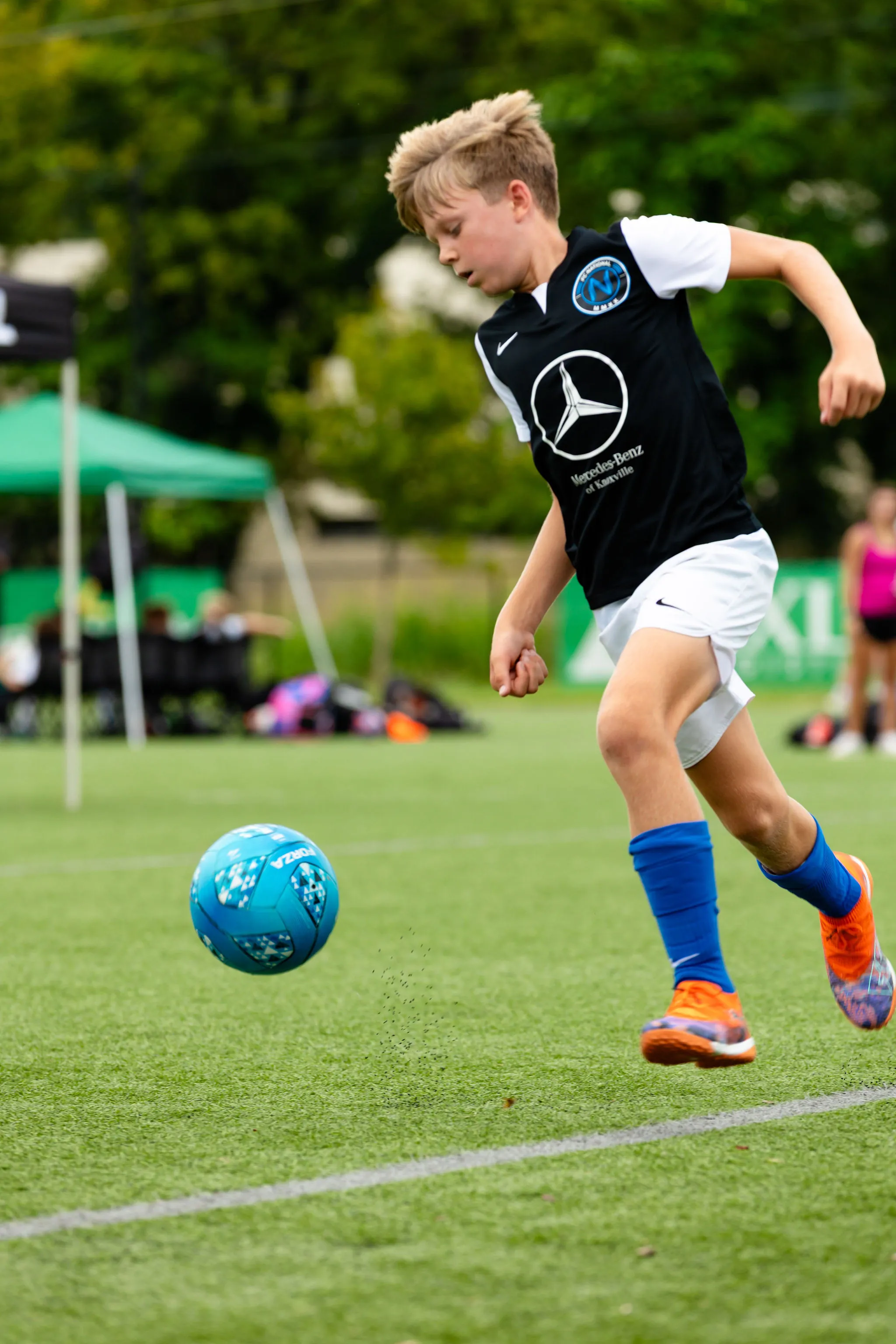
Soccer tryouts can feel like a single session decides everything. For a young player, that pressure can make simple passes feel harder and familiar moves disappear. The useful truth is simpler: coaches are usually looking for a pattern. They want to see how a player prepares, competes, connects with teammates and responds when the game becomes uncomfortable.
A good tryout does not require a highlight-reel moment. It requires a player who is ready to work, brave enough to make decisions and steady enough to move on from mistakes. Use this guide to prepare without overthinking the day.
WHAT A SOCCER TRYOUT IS REALLY TESTING
Most tryouts include a mix of technical work, small-sided games and larger game situations. The format may change from club to club, but the questions behind it are familiar. Can the player receive the ball under pressure? Can they recognize the next action? Do they defend when the ball is lost? Do they communicate and help the group function?
It is tempting to focus only on goals, tricks or the fastest sprint. Those moments can matter, but they are rarely the whole evaluation. A player who keeps the ball moving, makes a supporting run, recovers after losing possession and gives teammates useful information can make a strong impression across an entire session.
That is consistent with the wider view of player identification. U.S. Soccer describes its Talent ID work as monitoring both potential and progression, not simply one isolated performance. A local club tryout is not the same program, but the principle is useful: show the habits that suggest you can keep learning. Read more about U.S. Soccer's approach to talent identification if your family wants that broader context.
1. PREPARE THE WEEK BEFORE, NOT THE NIGHT BEFORE
The week before a tryout is for sharpening, not cramming. A player who suddenly doubles their training load often arrives tired, tight or carrying a small knock. Keep the routine familiar. Get touches on the ball, play in realistic spaces, and leave enough recovery time to feel fresh.
Three simple sessions can be enough: one focused on first touch and passing, one on movement and change of direction, and one light session built around finishing or small-sided play. The goal is to arrive feeling connected to the ball. It is not to prove fitness in the driveway.
- Use both feet for short passes, receiving and turning.
- Practice taking the first touch away from pressure, not straight back into it.
- Work on scanning before the ball arrives, then choose a simple next action.
- Finish the final session early enough that the legs feel lively the next day.
Players who are already part of a regular training environment should lean on the habits they build there. FC National's player development approach centers technical work, game understanding, movement and mindset because those pieces show up together in real game moments.

2. TAKE CARE OF THE BASICS: SLEEP, FOOD AND HYDRATION
Nothing about a tryout day needs to be complicated. Pack the bag the night before. Bring the gear the club requested, a full water bottle, an extra layer for changing weather and a small snack for afterward. Wear familiar boots that are already broken in. New gear can wait.
Prioritize a normal meal that sits well for the player. This is not the day for an experimental supplement, a huge sugary drink or skipping food because nerves are high. The American Academy of Pediatrics advises young athletes to focus on the basics, including fluids, food, training, conditioning and rest, instead of looking for performance shortcuts. Its guidance also notes that soccer can carry a higher heat-illness risk in hot conditions, so water and sensible breaks matter.
For a practical safety check, review the AAP's advice on keeping young athletes safe in hot weather and its guidance on sports supplements for young athletes. If a player is unwell, injured or dealing with a medical concern, the right move is to speak with an appropriate health professional and the club, not push through to prove toughness.
3. ARRIVE EARLY ENOUGH TO BE CALM
Arriving early is not about performing before the tryout begins. It is about removing avoidable stress. Aim to be there 20 to 30 minutes before check-in unless the club gives a different instruction. Find the field, use the restroom, check the boots and let the player get a few quiet touches before the group gathers.
Parents can help by keeping the arrival routine low-key. A short message such as, “Compete, communicate and enjoy it,” is more useful than a long list of corrections. The player needs mental space to notice the field, teammates and coach instructions.
Once the session starts, listen first. Learn the drill, ask a clear question only if needed and begin with a simple action. Players stand out when they look organized, not when they try to force attention in the first minute.
4. MAKE THE SIMPLE ACTIONS LOOK RELIABLE
A tryout is not a skills contest. In a busy session, reliability is valuable. A clean first touch, a pass played with the correct weight and an early supporting run tell coaches that a player can help a team keep the game moving.
Start with the safest useful choice. If the forward pass is open, play it with purpose. If pressure is tight, secure the ball and connect the next pass. If there is room to turn, turn with intent. Good decisions are not always flashy, but they are easy for coaches to trust.
Players should also think about the moments between touches. Scan before receiving. Adjust the body shape. Move again after passing. Defend immediately after losing the ball. These are repeatable habits, and repeated habits are exactly what evaluators can notice over a full session.
5. COMPETE WITHOUT CHASING EVERY MOMENT
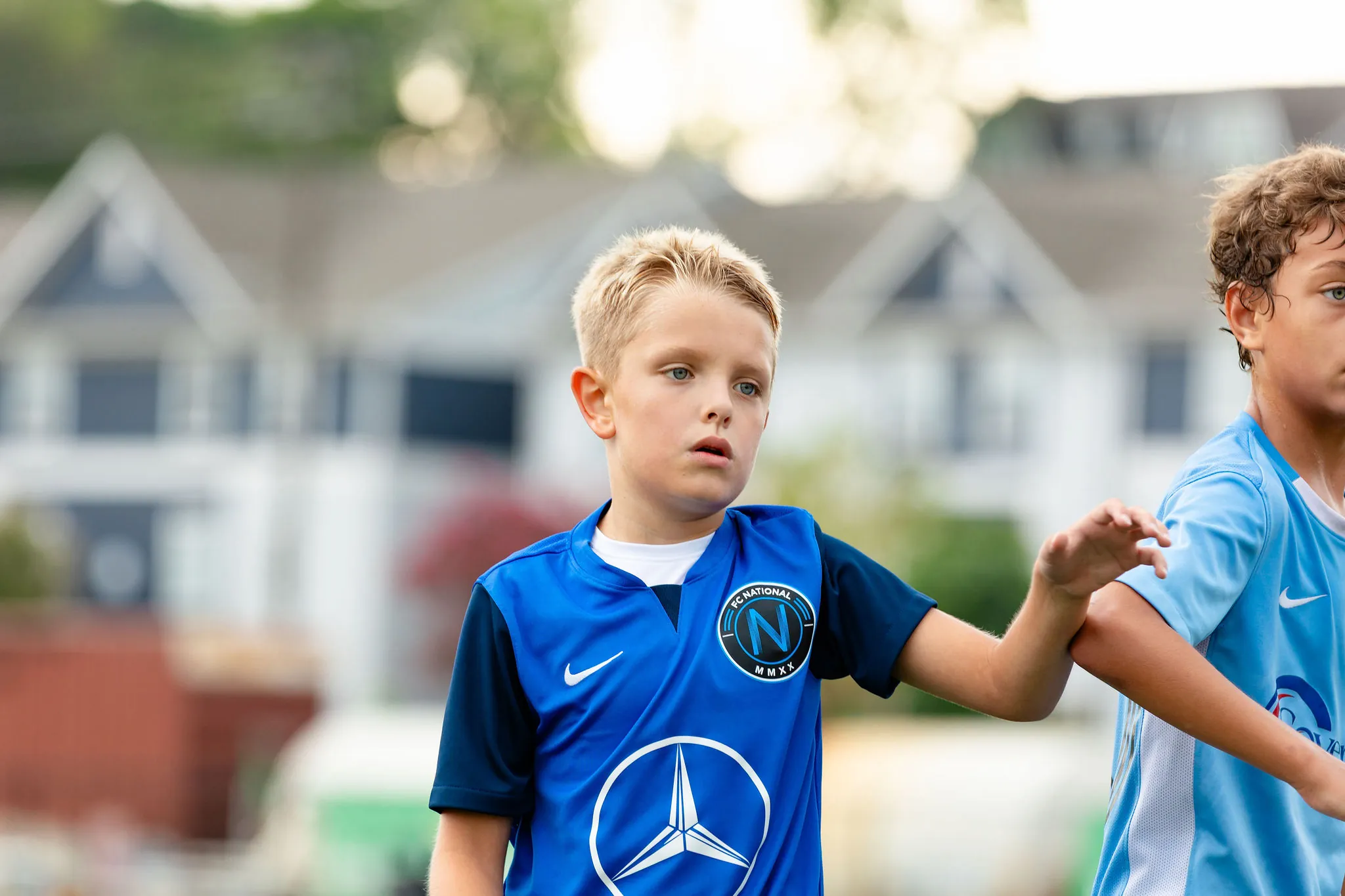
Work rate matters, but frantic effort can make a player less effective. Competing well means sprinting when the moment asks for it, recovering quickly when the play changes and staying involved when the ball is on the other side of the field.
On defense, close space with control. Make the opponent's next action harder. Track a runner. Recover behind the ball. On attack, move to create a useful angle instead of crowding the ball. A player who understands these small team jobs can make an impact even when they are not scoring.
Body language counts, too. Walk quickly between drills. Stay attentive while others are being coached. Encourage teammates without becoming distracting. If a call does not go your way, reset and get back into the next play. Coaches do not expect perfection. They do notice whether a player becomes smaller after a mistake or stays ready for the next opportunity.
6. TALK IN A WAY THAT HELPS THE TEAM
Good communication is short, specific and useful. “Turn.” “Man on.” “Time.” “Hold.” “Set.” These words help teammates make faster decisions. They also show the player is reading the game instead of watching it happen.
The volume should fit the moment. Constant shouting can create noise, while silence can leave teammates without information. Start with simple cues and encouragement. If the player is naturally quiet, they do not need to become a different person overnight. One or two clear pieces of information in each phase of play is a realistic target.
Players should also respond to communication. Pointing, eye contact, acknowledging a call and following a coach's instruction quickly are all signs of coachability. That is especially important at a new club, where staff are learning how a player fits with an unfamiliar group.
7. SHOW COACHABILITY WHEN THE ROLE CHANGES
A player may be asked to move positions, play with a different group or try a task they have not practiced much. Treat that as an opportunity, not a verdict. The player does not need to pretend they are an expert at every role. They need to listen, apply the instruction and give the assignment an honest effort.
For example, a winger asked to play outside back can still show valuable habits: check shoulders, communicate, support the attack at the right moment and recover quickly. A central player asked to play wide can keep the ball moving, make diagonal runs and defend the far post. The details change, but awareness and effort travel from position to position.
This is also where a player's response to correction matters. Hear the point, say “got it,” and try it on the next repetition. Explaining every mistake or looking frustrated takes energy away from the game. A quick adjustment is more convincing than a long apology.
8. RECOVER QUICKLY AFTER A MISTAKE
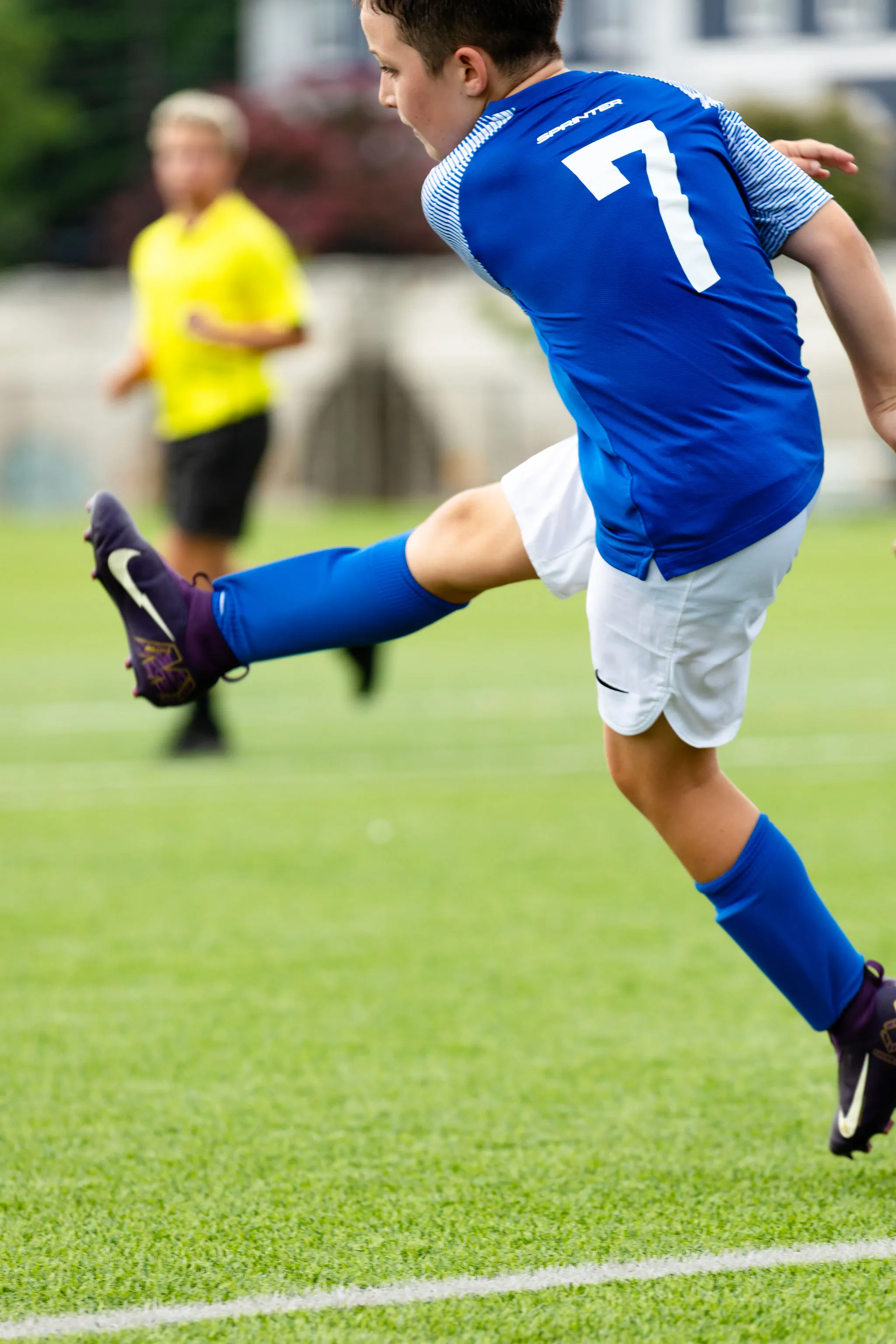
Every player makes mistakes at tryouts. A pass may go out of bounds. A first touch may get away. A shot may miss. The difference is what happens next. Strong players react quickly: they recover defensively, offer for the next pass or encourage a teammate.
A useful reset routine is simple. Breathe out, name the next job and move. “Win it back.” “Get wide.” “Find the next pass.” That replaces a spiral of self-criticism with an action. Parents can reinforce the same approach before and after the session by praising response, effort and learning instead of only asking whether the player “made it.”
There is also value in noticing what the player did well, even when the tryout felt uneven. Maybe they checked a shoulder before receiving, recovered after a turnover, spoke up for a teammate or stayed engaged in an unfamiliar position. Those are real signs of growth. A short reflection helps the player carry that learning into the next practice instead of treating the result as the only thing that matters.
Tryouts are important, but they are one part of a longer development story. The right competitive environment should challenge the player while giving them room to keep improving. Families who are weighing options can read about FC National teams, meet the coaching staff and explore the club's player-first philosophy before making a decision.
A SIMPLE TRYOUT-DAY CHECKLIST
- The night before: pack boots, shin guards, socks, water and any club-required items.
- Before leaving: eat a familiar meal, check the location and leave enough time for traffic.
- At the field: check in, settle, get a few touches and listen carefully.
- During the tryout: keep the ball moving, communicate, compete and reset after errors.
- Afterward: hydrate, eat, reflect on one thing that went well and one thing to keep building.
FC NATIONAL TRYOUTS
READY FOR THE NEXT STEP?
FC National uses a tryout process to help place players in a competitive environment that fits their development. Ask the club about current dates, age groups and registration details.
ASK ABOUT TRYOUTS →FREQUENTLY ASKED QUESTIONS
What do coaches look for at soccer tryouts?
Coaches usually look at more than isolated skills. They notice a player's first touch, decision-making, work rate, communication, response to mistakes and ability to work with teammates.
How early should I arrive for a soccer tryout?
Plan to arrive 20 to 30 minutes early unless the club asks for a different time. That gives the player time to check in, settle, use the restroom and start calm rather than rushed.
Should a player play a new position at a soccer tryout?
Yes, when asked. A player who listens, gives an unfamiliar role an honest effort and stays engaged shows coachability and team awareness.
What should parents say after a soccer tryout?
Start by asking how the player felt and what they learned. Avoid turning the car ride home into a grading session. A calm conversation helps young players reflect and keep perspective.