
At six, soccer should feel like a game before it feels like practice. Young players are learning how their body moves, how a ball responds to a gentle touch and how much fun it can be to solve a small problem with friends. That is plenty. A useful session does not need a long line, a complicated pattern or a running commentary from an adult.
These soccer drills for 6 year olds use simple stories, short turns and plenty of chances to move. A parent can use one or two in a yard or open space. A volunteer coach can connect them into a team session. The goal is the same: every player gets a ball, a reason to try and a chance to finish smiling.
WHAT MAKES A GOOD U6 SOCCER DRILL?
Keep the instructions short. Give players one job, show it once and let them play. If the activity needs a long explanation, it is probably asking too much. Make the space big enough for the group, use safe markers and change the task before players spend too much time waiting.
U.S. Soccer's U6 guidance puts the focus on fundamental movement, ball work, simple choices and small-sided games. That gives parents and coaches a sensible compass. Dribbling, receiving, shooting and running with the ball matter. So do encouragement, short breaks and the freedom to try again after the ball rolls away.
There is no need to force players into positions or correct every touch. Notice one good action instead. “You stopped the ball under control.” “You found a new space.” “You kept trying.” Specific praise gives a child a useful picture of what to repeat without turning a playful game into a test.
1. RED LIGHT, GREEN LIGHT
Give every player a ball and mark a starting line and finish line. When you call “green light,” players dribble toward the finish. At “red light,” they stop the ball with a foot and freeze. Mix in “yellow light” for tiny touches, “reverse” for a turn and “parking lot” for stopping the ball under the sole.
Start close enough that every player can reach the finish in a few tries. The game is not about eliminating the child who moves after the call. If someone gets caught, ask them to do three toe taps and rejoin right away. Keeping everyone involved gives each child far more time with the ball.
This simple game builds stop-start control, listening and balance. It also lets you make an easy adjustment. If the ball keeps running away, shorten the distance. If the players are cruising, add a turn before the finish. Use the version that gets the group moving, not the version that makes it look most difficult.
2. THE ANIMAL PARADE
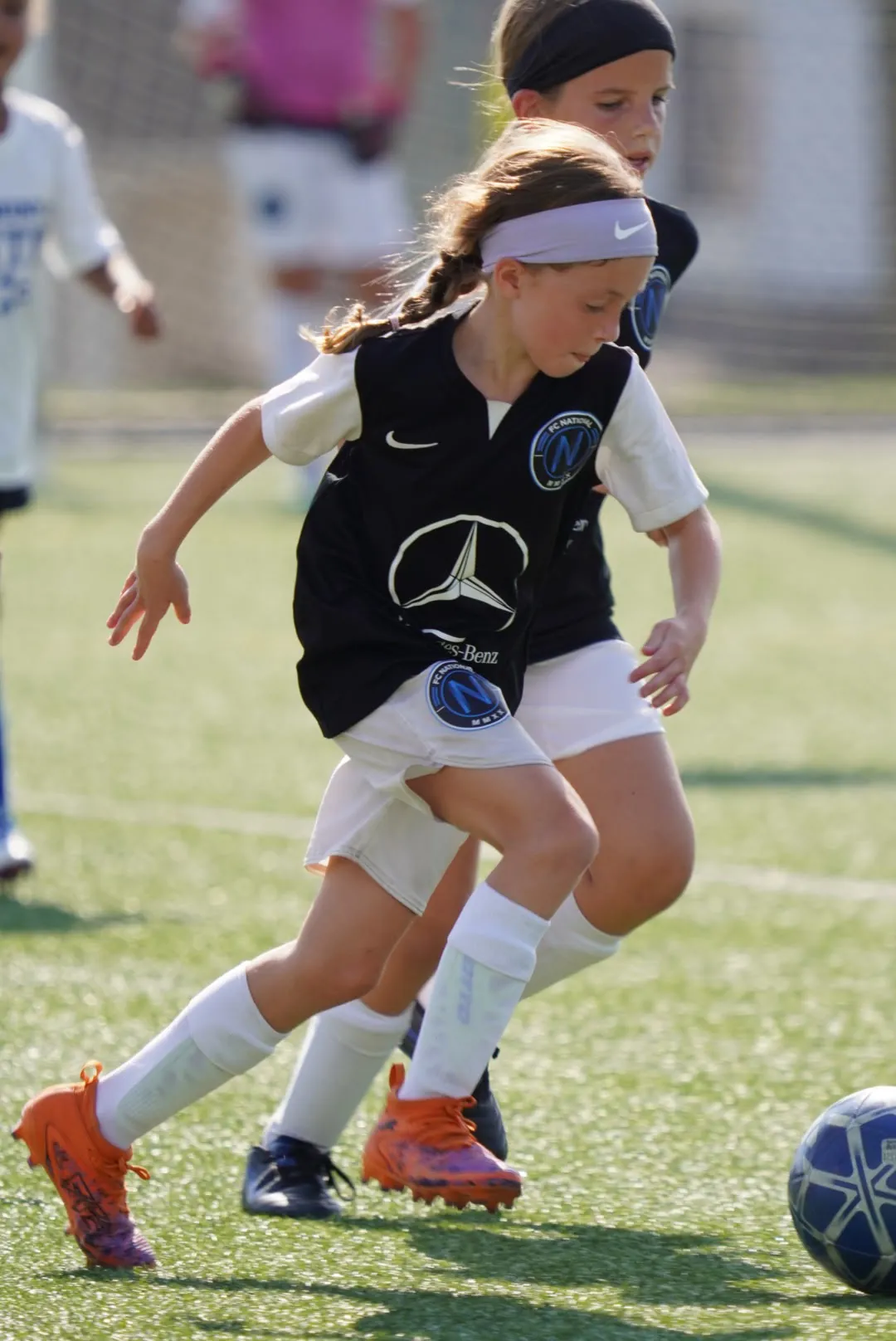
Mark a small square and give each player a ball. Call out an animal and let the players move the ball in a matching way. A cheetah means fast dribbling into open space. A turtle means tiny, careful touches. A crab means sideways sole rolls. A flamingo means stop the ball and balance beside it on one foot for a count of two.
Make up your own animals based on what the group enjoys. The story gives a young player a simple mental picture, while the ball gives the movement a purpose. Nobody needs to look identical. One player may use their right foot more, another may take smaller steps. The useful outcome is that every child is experimenting with the ball while staying active.
After a few calls, let a player choose the next animal. That small bit of ownership can transform the energy in a group. It also gives a quieter child a chance to lead without needing a speech. Keep the square loose enough that players can avoid each other, then pause for water before the next game.
3. CLEAN UP THE YARD
Scatter cones, pinnies or safe markers across the middle of a playing area. Put players on two teams at opposite ends, with a ball for each player. On “go,” a player dribbles into the middle, picks up one piece of “yard work,” carries it back to their team's space and tags the next player. If you are working with one child at home, set a timer and see whether they can clean up the whole yard while keeping the ball close.
The first version should feel easy. Players are practicing moving with the ball, stopping near an object, turning and finding a route back. Once they understand it, ask them to use the less comfortable foot on the way out or to make a turn before coming home. Do not add every rule at once. One new challenge is enough.
Keep the tone light. This is not a relay where the fastest team wins at all costs. Celebrate a player who returns with control, uses a turn or encourages a teammate. When the middle is empty, count the pieces together, reset and let the other team have a new chance to win.
4. FIND YOUR ISLAND
Place several flat markers, cones or safe objects around a larger area. Each marker is an island. Players dribble freely while you call a color, number or silly name for an island. They take the ball to that island, stop it and then find open water again when you call “sail away.”
At first, make sure there are more islands than players. Later, remove one or two islands and ask players to share an island without crowding or kicking another player's ball. The lesson is not really about getting there first. It is about looking up, noticing a space and adjusting when the picture changes.
Use the game to introduce gentle changes of direction. Before players leave an island, ask for a pullback, inside cut or a turn around the marker. If those names are not helpful, show the movement and give it a fun name. A young player remembers the action better when the correction is quick and the next turn comes immediately.
5. PASS THROUGH THE CASTLE GATE
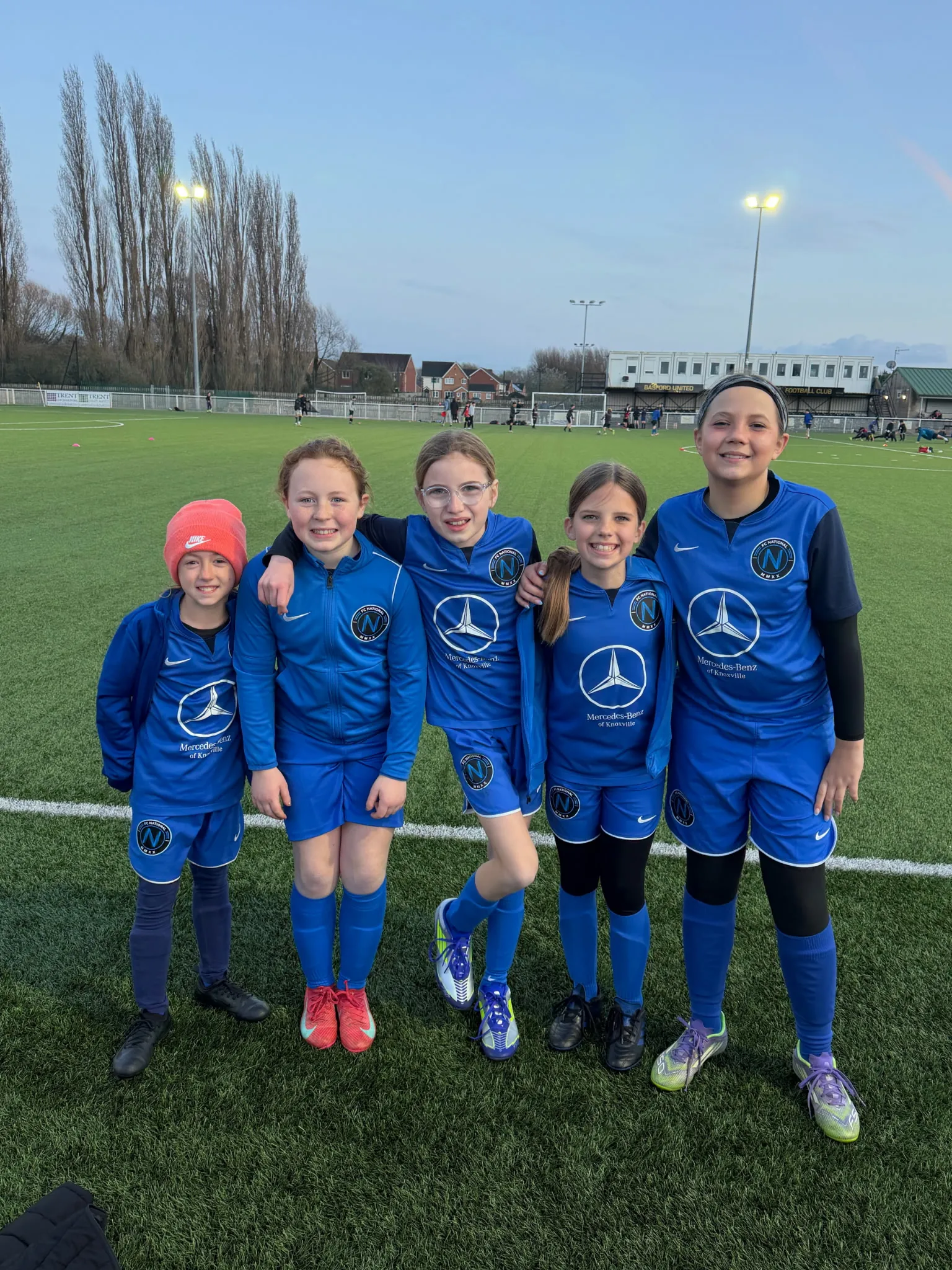
Make a wide gate with two cones or objects. Stand a few big steps from the player and ask them to pass the ball through the castle gate to you. Receive it, return it gently and let them try again. The first goal is simply to use the inside of the foot and send the ball on the ground.
Keep the gate generous. A six-year-old needs early success more than a narrow target. After a few good passes, ask the player to take one touch to settle the ball before passing, or move one step to the left or right so they learn to find the ball rather than wait for it. With a team, put players in pairs so every child is passing instead of standing behind one gate.
Passing starts to make more sense when it is connected to another person. Praise the thought as much as the accuracy: “You saw your partner.” “You helped them get the ball.” That helps a child see the game as something they share, not just a race to keep the ball.
6. 1V1 TO THE TREASURE CHEST
Make a small rectangle with a cone gate at each end. Two players start in the middle, with one ball. The attacker tries to dribble through one treasure chest, while the defender tries to slow them down and win the ball. If the defender wins it, they can attack the other chest. Play for about 20 seconds, then switch players or let the next pair go.
Keep the field wide enough for a player to have a real choice. When the space is too tight, the game becomes a collision. When it is wide enough, the attacker can try a turn, accelerate into an open lane or protect the ball. The defender can practice moving their feet and staying between the attacker and the goal.
Short 1v1 games introduce real soccer problems without a lecture. Players attack, defend and react when the ball changes hands. Do not worry about the score. After a round, ask one simple question: “What helped you find a way through?” Then let them play again before the answer becomes a speech.
7. 3V3 OR 4V4: LET THEM PLAY
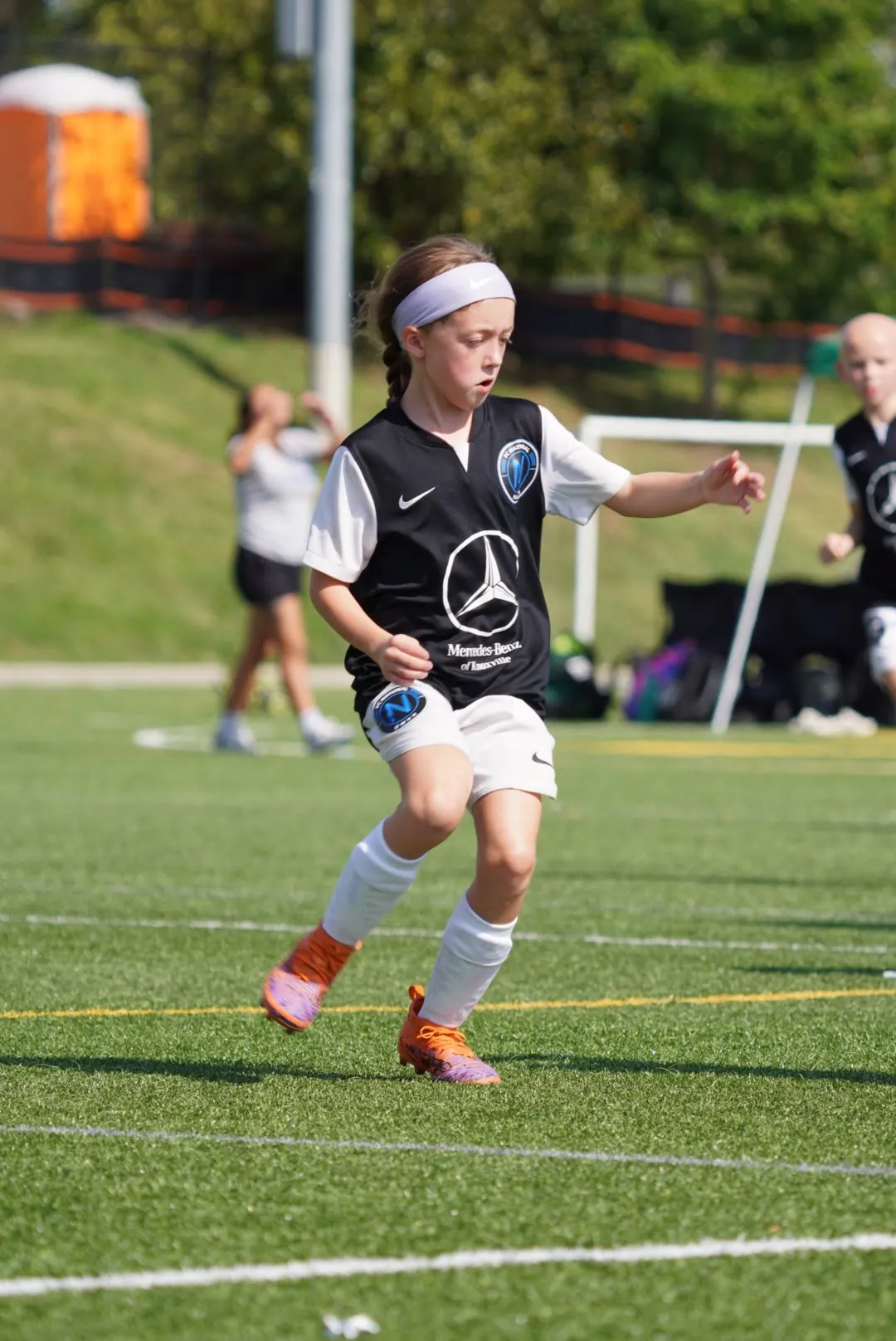
Finish with a small game. Use two small goals, end zones or cone gates. Play 3v3 or 4v4 when numbers allow, and rotate players quickly if the group is larger. There is no need for fixed positions, a goalkeeper or constant interruptions. The game is where a player gets to connect the dribbling, stopping, turning and passing from earlier activities.
Small groups mean more moments on the ball and more chances to make a decision. U.S. Soccer's U6 guidance includes 1v1, 2v1 and 2v2 small-sided games, while its broader small-sided game standards explain why younger players benefit from a game built for their stage. For a parent or volunteer coach, the practical takeaway is simple: smaller games keep more children close to the action.
Let the game flow. Step in only for safety, a quick restart or one positive observation. If one child has not touched the ball much, make the field a little wider or introduce a second ball for a playful reset. The goal is for every player to leave with a reason to want another turn.
A SIMPLE 40-MINUTE PRACTICE
- Minutes 1 to 5: Red light, green light to help every player settle with a ball.
- Minutes 6 to 11: Animal parade, with short rounds and a player-picked animal.
- Minutes 12 to 18: Clean up the yard, adding one gentle change of direction.
- Minutes 19 to 24: Find your island and practice looking up for open space.
- Minutes 25 to 30: Pass through the castle gate in pairs or with a parent.
- Minutes 31 to 35: Short 1v1 treasure chest rounds.
- Minutes 36 to 40: 3v3 or 4v4, then a quick high-five and water break.
Be ready to shorten the plan. A great practice may be three games and a small-sided finish if that is what the group needs. Build in water when the conditions call for it, and give players a break when they become tired, frustrated or overheated. If a child has pain, a limp or unusual fatigue, stop and seek appropriate professional guidance.
KEEP THE GAME FUN ENOUGH TO COME BACK
At this age, the best measure of a session is not whether every player completed the same move. It is whether they had many chances to touch the ball, made a few decisions and want to play again. Skills grow through those repeatable, positive experiences.
As a player gets ready for bigger soccer challenges, our soccer drills for 8 year olds guide adds more passing, first-touch and game-awareness ideas. Families can also use our soccer drills for kids for a wider set of simple activities. FC National's player development approach brings technical skill, game understanding, movement and mindset together, giving ambitious young players room to build confidence over time.
FC NATIONAL DEVELOPMENT
LET THE LOVE OF THE GAME GROW.
FC National helps young players build skill, awareness and confidence in a competitive environment that keeps development at the center.
ASK ABOUT TRYOUTS →FREQUENTLY ASKED QUESTIONS
How long should a soccer drill last for a 6 year old?
Most six-year-olds respond best to short games with a simple purpose. Start with five or six minutes, then change the game when attention or energy starts to drift. A session can be successful with a few lively activities and time to play.
What soccer skills should a 6 year old practice?
Start with running, stopping, changing direction, dribbling, receiving, shooting and simple passing. The aim is ball comfort and confidence, not a complicated technique checklist. Let players use both feet, make choices and learn through small games.
Do 6 year olds need a soccer ball for every drill?
A ball for each player is helpful whenever possible because it keeps everyone moving and learning. For partner games or small-sided play, players can share. Simple markers, safe space and a clear game are more important than specialized equipment.
Should a 6 year old practice soccer at home?
Short, playful practice at home can be a great way to build comfort with the ball. Keep it optional, stop while the player is still enjoying it and leave room for rest and other activities. If a child has pain, a limp or unusual fatigue, stop and seek appropriate professional guidance.
RELATED POSTS
 PLAYER GUIDE
Soccer Drills for 8 Year Olds: 7 Fun Games
Seven simple soccer drills for 8 year olds that build ball control, confidence and game awareness while keeping practice fun.
 PLAYER GUIDE
Soccer Drills for Kids: 8 Fun Ways to Build Skills
Eight simple soccer drills for kids that build touch, passing, movement, awareness and confidence without turning practice into a chore.