
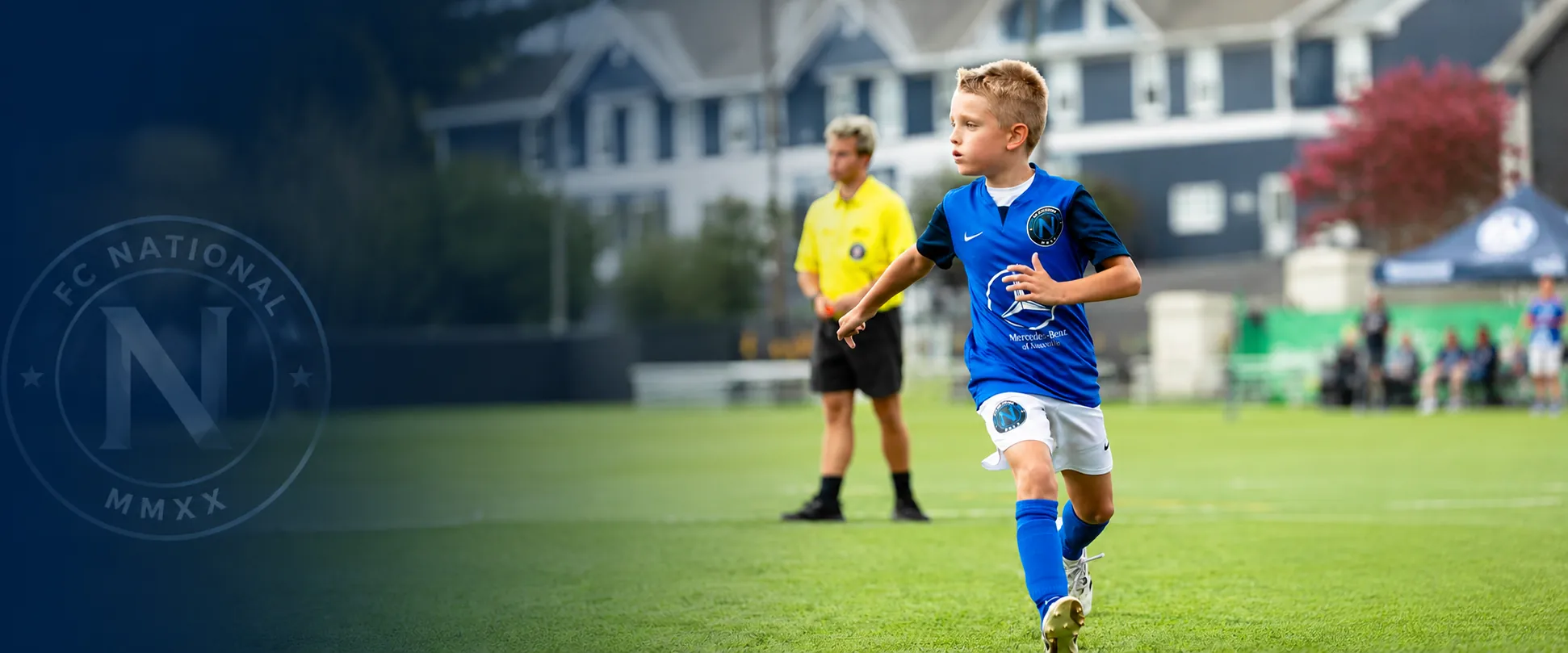
Eight is a great age for soccer because players are ready to do more than chase the ball, but they are still learning through movement, repetition and play. A useful practice does not need a long lecture, matching tracksuits or a complicated setup. It needs a ball, a safe space and games that give every player a reason to move, look up and make the next choice.
For parents and volunteer coaches, the goal is not to make an eight-year-old train like an older player. It is to create a session they want to return to. The seven soccer drills below build on ball control, passing, turning and simple teamwork. Use one or two at home, or connect several for a lively team practice.
WHAT MAKES A GOOD U8 SOCCER DRILL?
The best activities keep the ball close. If a player spends most of a drill standing in line, they are not getting enough chances to learn. Give each child a ball when possible, use small groups and explain the challenge in one or two sentences. Then let them play before adding another instruction.
U.S. Soccer's U7-U8 guidance includes small-sided formats from 1v1 through 4v4. That is a helpful lens for a home or team session: smaller numbers give a child more moments with the ball, more decisions and more chances to recover after a mistake. It also keeps the purpose clear. An eight-year-old is learning how to play, not auditioning for a fixed position.
Set one goal for each game. It might be taking a softer first touch, turning away from pressure or finding a teammate after dribbling. Praise the action you want to see, not only the fastest player or the goal scorer. When a child hears, “Great turn into space,” they know exactly what to try again.
1. THE BALL-MASTERY SQUARE
Make a square with four cones, shoes or safe markers. A space around five big steps by five big steps is enough for one player. Give the player a ball and ask them to use gentle inside touches while moving around the square. After a short round, switch to outside touches, then sole rolls across the body.
The point is not to race through a list of moves. It is to help the player keep the ball close enough to control while their eyes occasionally come up. Call out a color, a number or a direction so the player has to look away from the ball and react. If the square feels crowded, make it bigger. If it feels easy, ask for two touches with the less comfortable foot before changing direction.
This is a useful opening game because everyone can be active at once. It also gives parents a simple observation: is the ball staying close enough that the player can choose the next action? Close control creates time. Time makes passing, dribbling and defending less frantic.
2. GATES AND GETAWAYS
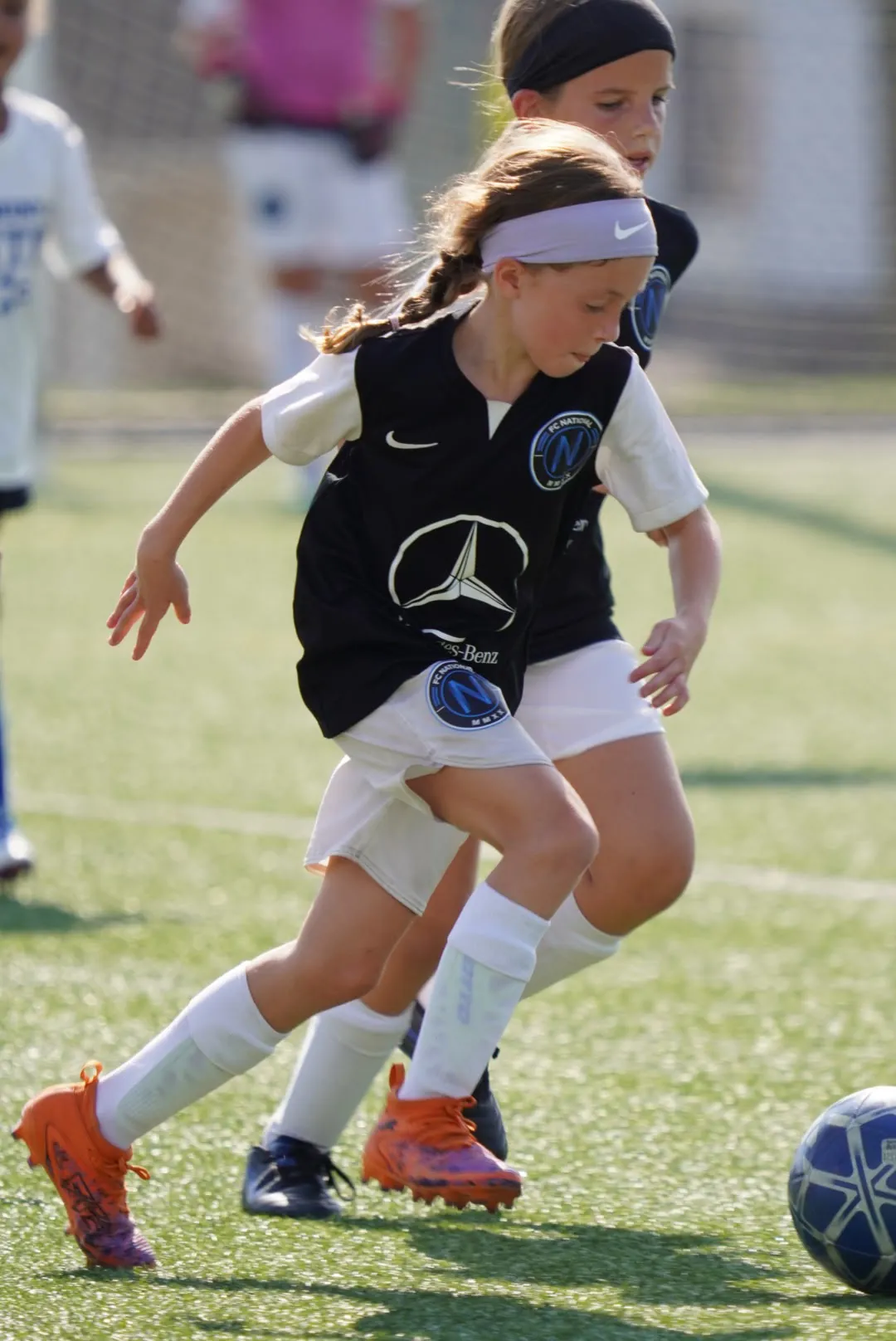
Set up several small gates, each made with two markers, inside a larger area. Players dribble freely and try to pass through as many gates as they can in 30 seconds. A pass through a gate only counts when they leave through a different gate, which encourages them to scan instead of repeating the same path.
Start without defenders. Once players understand the game, add a parent, coach or one player as a gentle “gate guard.” The guard does not need to win every ball. Their job is to create a reason for the dribbler to change direction, protect the ball and notice open space. Keep the guard moving at a level that lets everyone succeed sometimes.
A simple progression is to name a turn before the round begins. Try an inside cut one time, then a pullback the next. Players do not need ten tricks. One turn they can use with balance is far more valuable than a move they cannot repeat under pressure. The soccer footwork drills guide offers more simple ways to practice turning and moving with control.
3. PASS THROUGH THE DOOR
For two players, set one gate between them, about five to eight yards apart. Player one passes the ball on the ground through the gate. Player two receives it, takes a first touch to either side and passes back through the door. After a few passes, ask each player to receive with the foot farther from the ball when there is room, then turn their body toward the next pass.
Keep the passes realistic. A clean pass to a teammate's feet is more useful than a hard kick they must chase. If the ball misses the gate, no big deal. Reset, make the next pass and give the pair a small target such as three successful passes in a row. The quiet lesson is that passing has two jobs: send a useful ball, then become available again.
For a group, make two or three small gates and give every pair a ball. This keeps waiting low. It also lets a coach watch closely enough to give one specific cue, such as “soft first touch” or “pass, then move,” rather than trying to correct everything at once.
4. TREASURE ISLAND
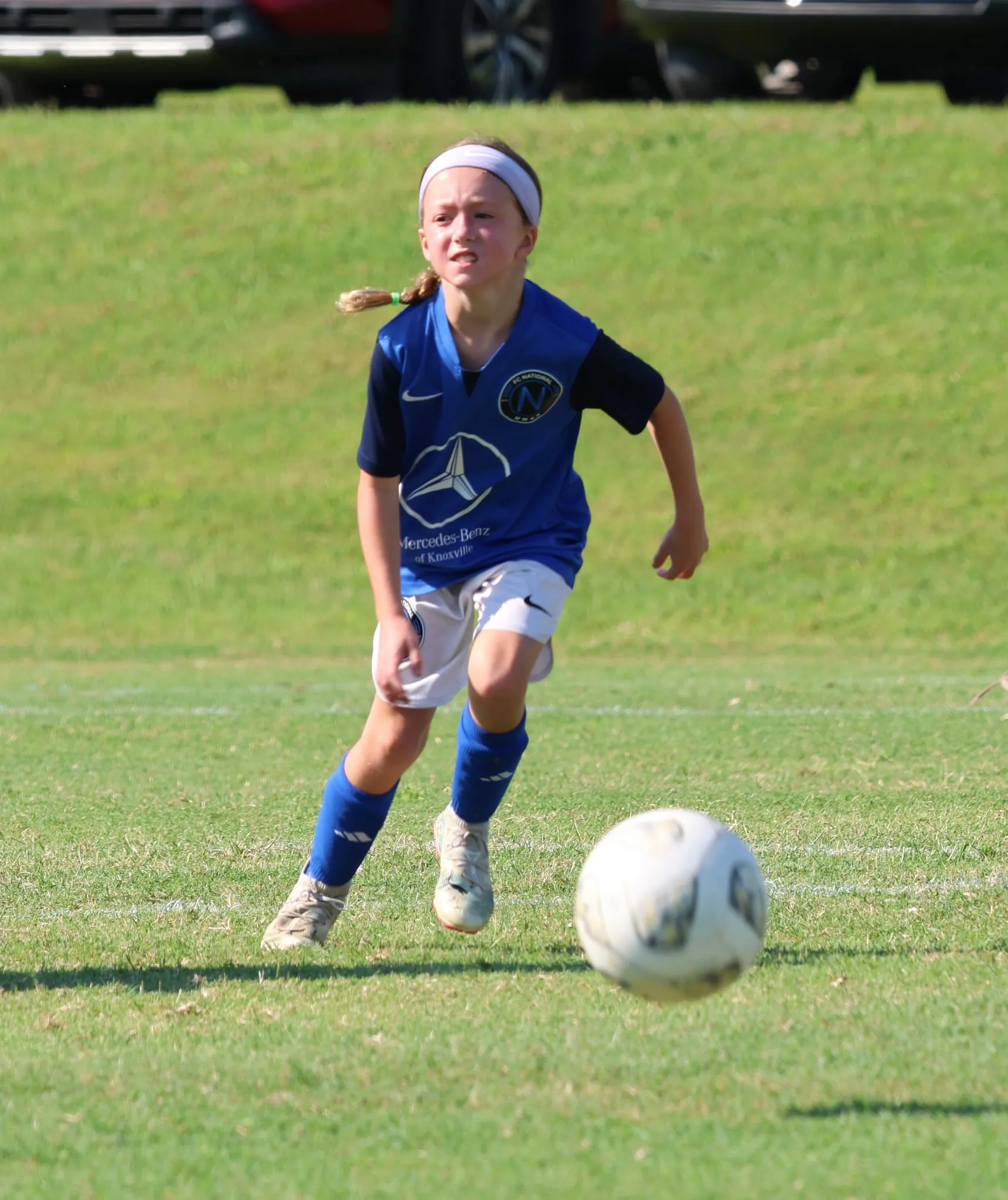
Place several balls or markers in the center of a square. Divide players into two small teams at opposite sides. On “go,” one player from each team dribbles to the middle, collects one piece of treasure and dribbles it back to their side. The next teammate goes when the first player returns. If you have only one player, make it an individual challenge against the clock.
This activity builds dribbling, stopping, turning and awareness without feeling like a technique test. The player has to protect the ball while finding a route back to their team. Once the basic version works, add a defender in the middle who can try to touch a ball. Keep the defender's job light and rotate often so everyone gets to attack and defend.
Use the game to talk about changes of speed. A player can approach the center under control, then accelerate after turning toward home. That is closer to a real game moment than weaving around cones with no decision to make. Celebrate the player who notices space or recovers quickly, even if they do not bring back the most treasure.
5. FIRST TOUCH TO A SIDE
Make a small rectangle with a gate on the left and another on the right. Stand a few yards away and roll or pass the ball to the player. As the ball travels, call “left” or “right.” The player takes their first touch through that gate, then dribbles a few steps before returning the ball.
Begin slowly enough that the player can hear the call and control the ball. The goal is not a perfect technical label. The goal is to feel how a first touch can take the ball away from pressure and toward the next space. If the ball gets stuck under the feet, make the gates wider or move closer. When it becomes comfortable, call the direction later or have the player glance up for a visual signal.
First touch is one of the best habits to build early because it connects receiving with the next decision. A player who can guide the ball into space has more time to pass, dribble or shoot. Add this activity after a light soccer warm-up when players need to reconnect with the ball before a practice or game.
6. 1V1 TO TWO GOALS
Set up a small rectangle with a cone gate or pop-up goal at each end. One player attacks one goal while the other defends it. Keep the round short, around 20 to 30 seconds, then switch roles. The attacker scores by dribbling through the far gate under control. The defender scores by winning the ball and taking it through the opposite gate.
Small 1v1 games give a young player repeated moments to attack, defend and react. The attacker practices protecting the ball and changing direction. The defender practices closing space without diving in. Both players learn that losing the ball is not the end of the turn. The next job is to react.
Balance the challenge. Make the area larger when one player needs more room, or give the younger player a one-step head start. Avoid turning every round into a scoreboard. Ask, “What helped you get past the defender?” or “What helped you slow them down?” That question invites players to notice the game instead of only waiting for a verdict.
7. 3V3 OR 4V4 TO SMALL GOALS
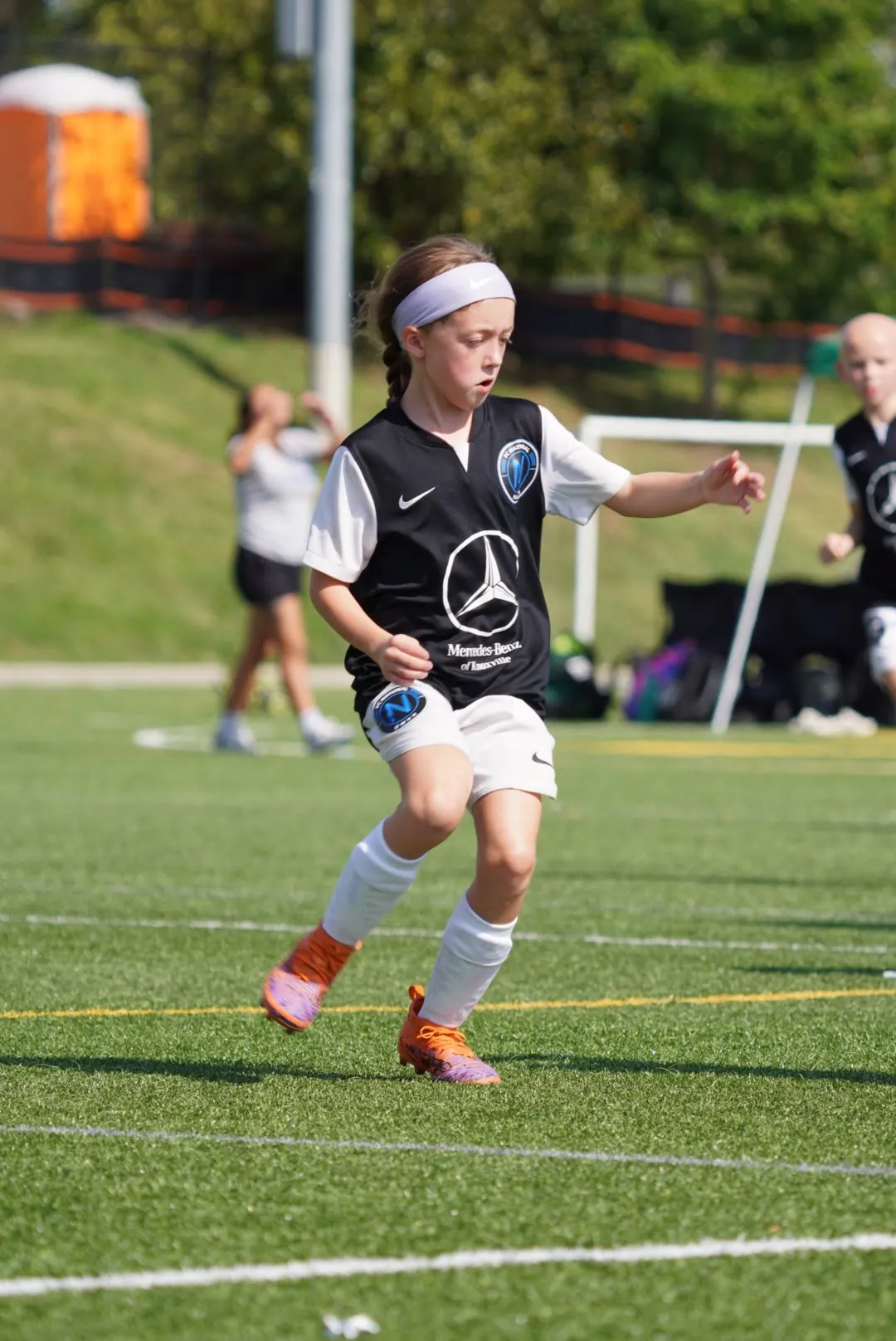
Finish with a game. Use two small goals, end zones or cone gates, and play 3v3 or 4v4. There is no need for an elaborate formation or a constant stream of stoppages. Let the players solve problems, make mistakes and try again. If the game gets crowded, make the field a little wider or use four goals so there are more places to attack.
Small-sided soccer helps every player experience both sides of the game. U.S. Soccer's 4v4 grassroots guidance emphasizes a fun, age-appropriate environment for players ages six through eight. That is a sound finish for this practice. The game reveals which skills from the earlier activities are beginning to stick, without asking children to perform them on command.
Use one gentle condition only if it helps the group. For example, award an extra point when a team completes a pass before scoring, or let a player restart quickly after a ball goes out. If the condition makes the children hesitate, remove it. At this age, flow and enjoyment matter more than forcing a lesson.
HOW TO BUILD A SIMPLE 45-MINUTE PRACTICE
- Minutes 1 to 6: Ball-mastery square, with every player moving and touching a ball.
- Minutes 7 to 13: Gates and getaways, adding a change of direction.
- Minutes 14 to 21: Pass through the door with a partner or small group.
- Minutes 22 to 28: Treasure island or first touch to a side.
- Minutes 29 to 35: Short 1v1 rounds to two goals.
- Minutes 36 to 45: Finish with 3v3 or 4v4 and let the players play.
Build in water when conditions call for it, and be ready to shorten the plan when energy drops. Young players do not need to be exhausted for a practice to count. The American Academy of Pediatrics' guidance on preventing overuse injuries is a useful reminder that growing athletes need activity balanced with rest, food, hydration and sleep. If a child has pain, a limp or unusual fatigue, stop and seek appropriate professional guidance.
LET THE GAME TEACH, TOO
The drills matter, but the feeling a player leaves with matters just as much. An eight-year-old who gets many touches, hears useful encouragement and finishes with a small game is far more likely to come back ready to learn. Keep the instructions brief. Let them try. Then notice one thing that improved.
FC National's player development approach brings technical skill, game understanding, movement and mindset together because soccer never asks for only one of those pieces. Families who want a competitive setting where young players can keep building those habits can explore the club's teams, meet the coaching staff and ask about current tryout opportunities.
FC NATIONAL DEVELOPMENT
KEEP THE JOY. BUILD THE HABITS.
FC National helps ambitious young players build their skill, awareness and confidence in a competitive environment that still puts development first.
ASK ABOUT TRYOUTS →FREQUENTLY ASKED QUESTIONS
How long should soccer drills last for an 8 year old?
A short, focused activity is usually more useful than a long explanation. Try a few minutes, watch whether players are still moving and engaged, then change the task or give them a new challenge. A practice can include several short games rather than one drill that runs too long.
What skills should an 8 year old practice in soccer?
Focus on comfortable ball control, dribbling with both feet, simple passing and receiving, changing direction, defending in small spaces and enjoying small-sided games. At this age, the player does not need a complicated tactical lecture. They need lots of meaningful chances to see, decide and play.
Do 8 year olds need soccer cones for practice?
No. Four safe markers are enough for most activities. Cones are helpful, but shoes, water bottles or field lines can work when the space is safe. A ball for each player and a clear, simple game matter more than specialized equipment.
Should an 8 year old practice soccer every day?
More is not always better. Keep extra practice age-appropriate and enjoyable, and build in rest. If a player has pain, unusual fatigue or is losing enthusiasm, stop and speak with an appropriate health professional or coach before adding more work.
RELATED POSTS
 PLAYER GUIDE
Soccer Drills for Kids: 8 Fun Ways to Build Skills
Eight simple soccer drills for kids that build touch, passing, movement, awareness and confidence without turning practice into a chore.
 PLAYER GUIDE
Soccer Footwork Drills: 7 Ways to Move Better
Seven simple soccer footwork drills that help young players move, turn, control the ball and stay ready for the next play.